
The Relationship Between Cement Strength and Concrete Performance
17.03.2026
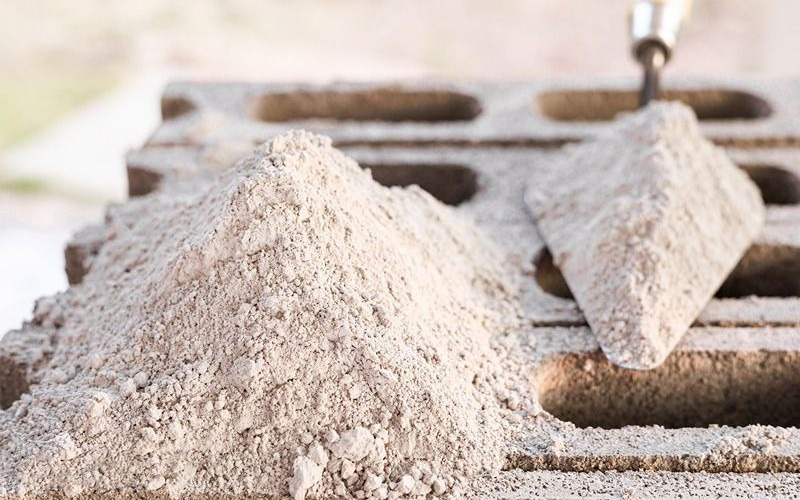
Concrete is one of the most widely used construction materials in the world, forming the backbone of buildings, bridges, roads, and infrastructure. At the core of concrete lies cement, the binding agent that holds aggregates together and gives concrete its strength and durability. The strength of cement plays a crucial role in determining how well concrete performs under different conditions, including load, environmental exposure, and long-term use.
Understanding the relationship between cement strength and concrete performance is essential for engineers, contractors, and project managers. High-strength cement contributes to stronger, more durable concrete, while low-strength cement can compromise structural integrity. In this article, we will explore how cement strength influences various aspects of concrete performance and why it is a key factor in modern construction.
What Is Cement Strength?
Cement strength refers to the ability of hardened cement paste to resist applied forces without failure. It is typically measured as compressive strength at different time intervals, such as 3, 7, and 28 days. These measurements provide insight into both early and long-term performance.
The strength of cement depends on factors such as its chemical composition, fineness, and manufacturing process. High-quality cement is produced under controlled conditions to ensure consistent and reliable performance.
Direct Impact on Concrete Compressive Strength
The compressive strength of concrete is directly linked to the strength of the cement used. Since concrete primarily تحمل compressive loads, stronger cement results in higher مقاومة against crushing forces. This is particularly important for structural elements such as columns and foundations.
Using low-strength cement can limit the load-bearing capacity of concrete, making it unsuitable for high-performance applications. High-strength cement allows for safer and more efficient structural design.
Influence on Durability and Longevity
Cement strength also plays a significant role in the durability of concrete. High-strength cement produces a denser and less porous concrete structure, which improves resistance to environmental factors such as moisture and chemicals.
Concrete made with low-strength cement tends to be more porous, allowing harmful substances to penetrate more easily. This can lead to deterioration, corrosion of reinforcement, and reduced lifespan.
Effect on Crack Resistance
Crack resistance is a critical aspect of concrete performance, and cement strength directly influences this property. High-strength cement helps reduce the formation of cracks by providing better internal cohesion and resistance to stress.
Low-strength cement increases the likelihood of cracking, especially under load or temperature changes. Cracks not only weaken the structure but also allow external elements to enter, accelerating damage.
Bond Strength with Aggregates and Reinforcement
The ability of cement to bond with aggregates and steel reinforcement is essential for overall concrete performance. High-strength cement creates a strong and cohesive matrix that ensures effective load transfer between components.
Weak bonding caused by low-strength cement can lead to separation and internal weaknesses. This reduces the efficiency of reinforcement and compromises structural performance.
Impact on Workability and Placement
Cement strength can influence the workability of concrete, affecting how easily it can be mixed, placed, and compacted. High-quality cement often provides better consistency, allowing for proper handling during construction.
Poor workability can result in defects such as air pockets and uneven توزيع داخل the concrete. These defects reduce strength and negatively impact overall performance.
Relationship with Water-Cement Ratio
The water-cement ratio is a key factor in determining concrete strength. High-strength cement performs well even at lower water content, resulting in dense and मजबूत concrete with improved performance.
Excessive water reduces the strength of the cement paste and increases porosity. Maintaining an optimal water-cement ratio is essential for achieving desired concrete performance.
Early Strength vs Long-Term Strength
Cement strength development occurs over time, and both early and long-term strength are important for construction. High early strength allows for faster construction progress, while long-term strength ensures durability and stability.
Choosing cement that balances early and long-term strength development helps optimize both construction efficiency and structural performance.
Consistency and Quality Control
Consistent cement strength is essential for predictable concrete performance. High-quality cement produced under strict quality control ensures uniform properties across batches.
Inconsistent cement can lead to variations in concrete strength and performance, creating weak points within the structure. Reliable manufacturing processes help minimize these risks.
Economic and Design Implications
Using high-strength cement allows engineers to design more efficient structures with smaller cross-sections and reduced material usage. This can lead to cost savings and improved construction efficiency.
On the other hand, low-strength cement may require additional reinforcement and larger structural elements, increasing costs and complexity.
Conclusion
The relationship between cement strength and concrete performance is fundamental to construction success. From compressive strength and durability to crack resistance and bonding, cement strength influences every aspect of concrete behavior.
By selecting high-quality cement and maintaining proper mix design and construction practices, professionals can ensure strong, durable, and reliable concrete structures. Understanding this relationship is key to achieving long-term performance and safety in modern construction projects.