
How Cement Quality Reduces Structural Failure Risks
24.03.2026
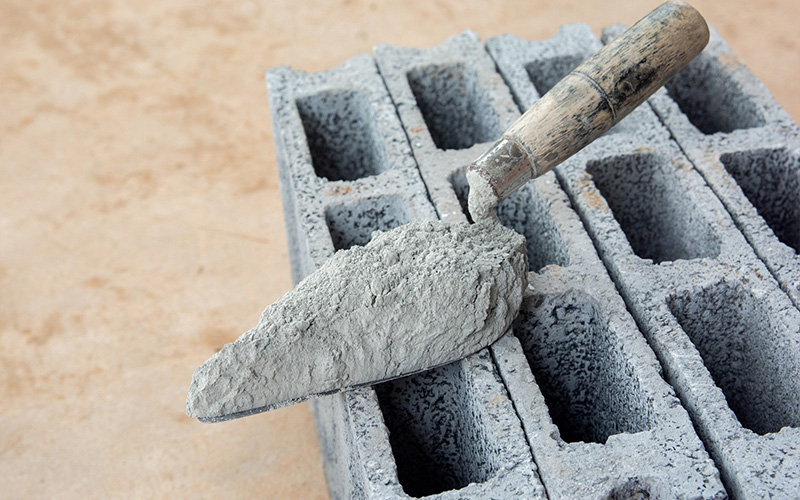
Structural failure is one of the most serious risks in construction, leading to safety hazards, financial losses, and long-term reputational damage. Preventing such failures requires careful attention to design, execution, and material selection. Among all materials used in construction, cement plays a fundamental role because it is the primary binding component in concrete. The quality of cement directly influences how well a structure can resist loads, environmental effects, and time.
High-quality cement ensures reliable strength development, consistent performance, and long-term durability. In contrast, poor cement quality increases the likelihood of defects such as cracking, low strength, and internal deterioration. Understanding how cement quality reduces structural failure risks is essential for engineers, contractors, and project owners aiming to deliver safe and resilient structures.
Ensuring Adequate Strength Development
One of the primary ways cement quality reduces structural failure risk is by ensuring proper strength development. Cement must provide the necessary compressive strength for concrete to support design loads safely.
High-quality cement delivers consistent strength across batches, reducing the chance of weak zones within the structure. This consistency is critical for maintaining load-bearing capacity and preventing sudden failure under stress.
Improving Bonding Within Concrete
Cement acts as the glue that binds aggregates together in concrete. The quality of this bond determines how effectively loads are distributed throughout the structure. Strong bonding ensures that concrete behaves as a unified material under load.
When cement quality is poor, the bond weakens, leading to internal separation and reduced structural integrity. High-quality cement enhances cohesion and minimizes the risk of structural breakdown.
Reducing Crack Formation
Cracks are one of the most common precursors to structural failure. Cement quality influences shrinkage behavior, hydration control, and tensile strength, all of which affect crack formation.
High-quality cement helps control internal stresses and reduces the likelihood of cracking. Fewer cracks mean fewer pathways for moisture and harmful substances, preserving the structure’s strength and stability.
Enhancing Durability Against Environmental Factors
Environmental exposure can significantly weaken structures over time. Moisture, chemicals, and temperature fluctuations all contribute to deterioration if concrete is not properly protected.
Cement quality determines how resistant concrete is to these factors. Durable cement creates a dense and stable matrix that protects internal components, reducing the risk of long-term failure.
Protecting Reinforcement From Corrosion
In reinforced concrete, steel reinforcement must remain protected to maintain structural performance. Cement quality affects the density and impermeability of concrete, which act as a barrier against corrosion.
High-quality cement reduces permeability, limiting the entry of water and oxygen that cause corrosion. Preventing reinforcement corrosion is essential for avoiding structural weakening and eventual failure.
Maintaining Uniform Performance Across the Structure
Large structures are constructed in multiple stages using different batches of concrete. Cement quality must remain consistent to ensure uniform performance across all elements.
Variations in cement quality can create weak zones that are more susceptible to failure. Consistent cement ensures that all parts of the structure behave similarly under load.
Controlling Permeability and Internal Damage
Permeability is a critical factor in structural durability. High permeability allows water and chemicals to penetrate concrete, leading to internal damage and reduced strength.
High-quality cement contributes to low-permeability concrete, protecting the structure from internal deterioration. This protection significantly reduces the risk of long-term failure.
Supporting Resistance to Dynamic Loads
Structures are often subjected to dynamic loads such as traffic, machinery, or environmental forces. Cement quality influences how concrete responds to repeated or fluctuating stresses.
Concrete made with high-quality cement maintains its integrity under dynamic loading conditions. This resilience helps prevent fatigue-related failures over time.
Reducing Construction Defects
Many structural failures originate from defects introduced during construction. Poor cement quality can lead to issues such as segregation, bleeding, or inadequate strength.
Using high-quality cement reduces the likelihood of these defects, ensuring that concrete performs as intended. Fewer defects translate into lower failure risk and improved safety.
Enhancing Predictability and Quality Control
Predictability is essential for safe construction. Cement quality ensures that concrete behaves as expected, allowing engineers and contractors to rely on design assumptions.
Consistent performance simplifies quality control and reduces uncertainty. This reliability is crucial for minimizing risks throughout the construction process.
Reducing Long-Term Maintenance and Repair Needs
Structures built with high-quality cement are less prone to deterioration, reducing the need for repairs and maintenance. Lower maintenance requirements help preserve structural integrity over time.
By minimizing damage and extending service life, high-quality cement contributes to long-term safety and cost efficiency.
Conclusion: Cement Quality as a Key to Risk Reduction
Cement quality is a fundamental factor in reducing structural failure risks. It influences strength, bonding, durability, crack resistance, and overall performance, making it essential for safe construction.
By prioritizing high-quality cement and maintaining strict quality control, construction professionals can significantly lower the risk of structural failure. Cement is not just a material—it is a critical safeguard for structural safety and long-term reliability.