
Cement Testing Methods for Safer Construction Projects
10.03.2026
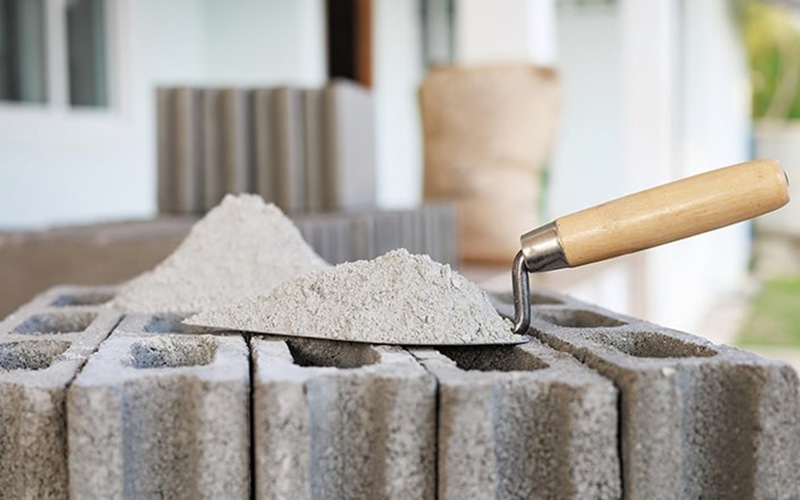
Introduction: The Importance of Cement Testing in Construction Safety
Construction safety begins with the quality and reliability of the materials used in building structures. Engineers and contractors must ensure that construction materials meet required standards before they are used in concrete mixtures. Among these materials, cement plays a fundamental role because it binds aggregates together and determines the strength and durability of concrete. If cement does not meet the required performance levels, structural elements may develop cracks, reduced strength, or long-term deterioration. Cement testing methods are therefore essential for verifying quality, ensuring consistent performance, and preventing structural failures in construction projects.
Why Cement Testing Is Critical in Construction
Cement testing helps engineers confirm that the material meets established standards and performance expectations. Testing allows construction teams to verify properties such as strength, fineness, setting time, and chemical stability.
Without proper testing, poor-quality cement may enter construction processes, increasing the risk of structural weaknesses and costly repairs in the future.
Compressive Strength Testing
Compressive strength testing is one of the most important methods used to evaluate cement performance. In this test, cement mortar samples are prepared and cured under controlled conditions.
The samples are then subjected to increasing loads until failure occurs. This test determines whether the cement can achieve the strength levels required for structural concrete.
Fineness Testing
The fineness of cement refers to the size of its particles. Finer cement particles react more efficiently with water during hydration.
Fineness testing ensures that cement has the correct particle size distribution, which affects strength development and workability.
Setting Time Testing
Setting time testing measures how quickly cement begins to harden after mixing with water. Two key parameters are evaluated: initial setting time and final setting time.
Proper setting time allows sufficient time for mixing, transportation, and placement of concrete before hardening begins.
Soundness Testing
Soundness testing evaluates the stability of cement after it hardens. Certain chemical compounds can cause delayed expansion in cement.
This expansion may lead to cracking and structural damage if not detected early. Soundness tests help prevent these problems.
Consistency Testing
Consistency testing determines the amount of water required to produce a standard cement paste. This parameter affects the workability and hydration behavior of cement.
Proper consistency ensures that cement mixtures achieve uniform strength development.
Heat of Hydration Testing
During the hydration process, cement releases heat as chemical reactions occur. In large structural elements, excessive heat can cause thermal cracking.
Heat of hydration testing evaluates how much heat is generated during hydration and helps engineers select appropriate cement types.
Chemical Composition Analysis
Cement is composed of several chemical compounds that influence its strength, durability, and hydration characteristics. Chemical analysis evaluates the proportions of these compounds.
This testing ensures that cement meets industry standards and performs reliably in construction applications.
Specific Gravity Testing
Specific gravity testing measures the density of cement relative to water. This property is important for accurate mix design calculations.
Proper density ensures correct proportions of cement, aggregates, and water in concrete mixtures.
Moisture Content Testing
Moisture content in cement can affect its performance and storage stability. Excess moisture may cause cement to partially hydrate before use.
Moisture testing ensures that cement remains dry and suitable for construction applications.
Bulk Density Testing
Bulk density testing evaluates how cement particles pack together in storage or transport conditions. This test helps determine the volume of cement required for mixing.
Understanding bulk density improves accuracy in batching processes.
Field Testing Methods
In addition to laboratory tests, field testing methods help construction teams quickly assess cement quality on-site. Visual inspection, temperature monitoring, and trial mixes are commonly used.
These practical tests help verify that cement behaves as expected during real construction operations.
Quality Control in Cement Testing
Quality control procedures ensure that cement testing is conducted accurately and consistently. Laboratories follow standardized procedures defined by construction codes and engineering organizations.
Proper quality control prevents inaccurate results and ensures reliable evaluation of cement properties.
The Role of Cement Testing in Structural Safety
Cement testing plays a direct role in ensuring structural safety. By verifying material properties before construction begins, engineers can confirm that cement will perform as expected.
This reduces the risk of structural defects, improves durability, and ensures that buildings and infrastructure meet safety requirements.
Conclusion
Cement testing methods are essential tools for maintaining construction safety and ensuring reliable structural performance. From compressive strength and fineness testing to chemical analysis and setting time evaluation, these tests verify that cement meets strict quality standards.
For engineers, contractors, and construction professionals, implementing thorough cement testing procedures helps prevent structural failures, improve durability, and ensure that construction projects remain safe and reliable throughout their service life.